
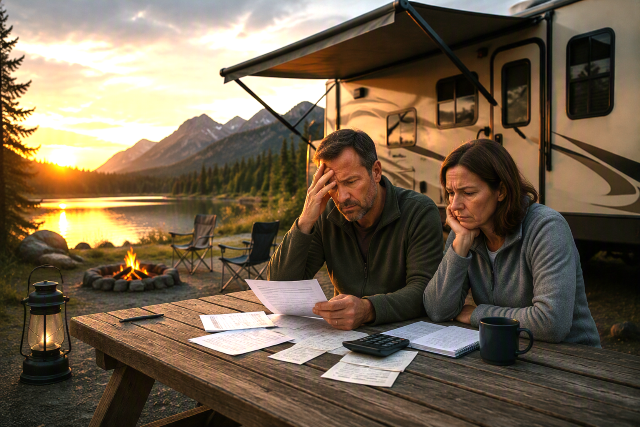
Every long haul toward Las Vegas eventually runs into the same math. The couple at the dinette of a Class C, somewhere past Barstow, has the fuel log open on one screen and a resort rate on the other. The Strip is still hours away, and the numbers keep climbing — parking fees, a two-night minimum, dinner, and the buffet that isn’t cheap anymore. That gap between where the rig is now and where the neon starts is the real budget question. It’s the stretch where a road-tripper wants a little casino-style fun without lighting the vacation fund on fire before the trip even begins.
That’s exactly where the free-to-play model earns its keep. A sweepstakes casino works on virtual credits rather than a real-money buy-in, and those credits can convert into real cash prizes or gift cards through a redemption process. For a traveler still miles from the Strip, that matters: it’s a legal, no-cost way to spin familiar-looking slots or play a hand of cards from the passenger seat, with legality that varies state to state. Directories that rank the top social gaming sites break down which ones are available where, what welcome bonuses they hand out, and how the prize redemption actually works — the kind of homework that saves a road-tripper from guessing while parked at a rest stop.
Why the Miles Between Stops Cost the Most
Ask anyone who plans Vegas trips around an RV and they’ll tell you the drive is where budgets quietly leak. There’s the temptation to stop at every small casino off Interstate 15, dropping twenty bucks here and forty there, all of it adding up long before the Welcome to Las Vegas sign. Those detours feel harmless in the moment, but they’re the exact dollars a smart traveler would rather save for a real night on the Strip.
The appeal of a free-to-play option during those miles is that it fills the same itch without touching the trip fund. Boondocking at a BLM site outside Primm, waiting out afternoon heat, a person can pull up a social gaming site and get the reels spinning without a single dollar at risk. The entertainment is real, the stakes are optional, and the vacation budget stays intact for the destination that actually inspired the trip.
How the Free-to-Play Model Actually Works
The mechanics trip people up at first, mostly because the whole thing borrows language from an older idea. A traditional promotional prize drawing lets people enter and win without paying to play — think of the mail-in contests that have been around for generations. Social gaming sites run on that same legal foundation. Players get one type of virtual currency purely for fun and a second type that can be redeemed for prizes, and there’s always a no-purchase way to collect that second kind.
For a road-tripper, that structure lands differently than a real-money account. Nobody has to wire a deposit from a spotty campground connection or worry about clawing money back later. The credits arrive through daily bonuses, mail-in requests, or promotional drops, and the games themselves — slots, poker, blackjack lookalikes — feel exactly like what waits on the Vegas floor. The difference is that the entry ticket costs nothing, which is precisely the point when the fuel gauge is the more pressing concern.
Keeping the Trip Fund Aimed at the Strip
The whole guiding idea here is simple: protect the money meant for the destination. A well-planned Vegas trip has a fixed pot for the tables, the shows, and maybe a splurge dinner. Everything spent before arrival is a subtraction from that pot. Free-to-play credits let a traveler stay entertained through the long, flat stretches without ever dipping in.
There’s a genuine economic logic underneath it, too. Researchers examining the future of prize gaming have looked at how free-entry models deliver real value to players without the financial exposure of a wager, which is why the format keeps growing. For someone whose home has wheels and whose entertainment budget flexes with fuel prices, that value proposition is easy to appreciate. The fun is decoupled from the risk, and the risk is where budgets usually break.
Fitting It Into the Rhythm of the Road
RV travelers already stack their leisure carefully. They time overnight lots near casinos that welcome rigs, they layer loyalty perks from one stop to the next, and they think hard about where a dollar goes. Adding a free-to-play option to that rhythm is a natural fit. It slots into the downtime — the hour after setup, the wait for the sun to drop, the evening when the nearest gaming floor is a four-hour haul in the wrong direction.
State legality is the one detail worth checking before leaning on it. The free-to-play model is available across most of the country, but a handful of states carve out exceptions, and the redemption rules shift with those lines. A traveler crossing from Nevada into a neighboring state may find the prize side of an account behaves differently, so it pays to know the map. Good directories keep that state-by-state picture current, which spares the road-tripper from learning the hard way at a campground picnic table.
By the time the rig finally rolls onto the Strip, the traveler who used those free credits through the drive arrives with the trip fund untouched and the appetite for real play fully intact. The budget question that loomed back near Barstow answers itself: the entertainment happened all along the route, and it never cost the vacation a thing.


